
Environmental Investigation Mission Exposes Rights Violations and Ecological Impacts of Olongapo Solar Power Project
- Katribu Nasyunal
- 15 minutes ago
- 3 min read

From May 28 to 30, KATRIBU, together with Pamilalamu, AGHAM, and other Indigenous Peoples and advocacy organizations, including Tunay na Alyansa ng Bayan Alay sa Katutubo (TABAK), Kabataan Para sa Tribung Pilipino, and Siklab Philippine Indigenous Youth Network, conducted an Environmental Investigation Mission (EIM) in Zambales to examine the impacts of the Olongapo Solar Power Project owned by Aboitiz Renewables Inc.


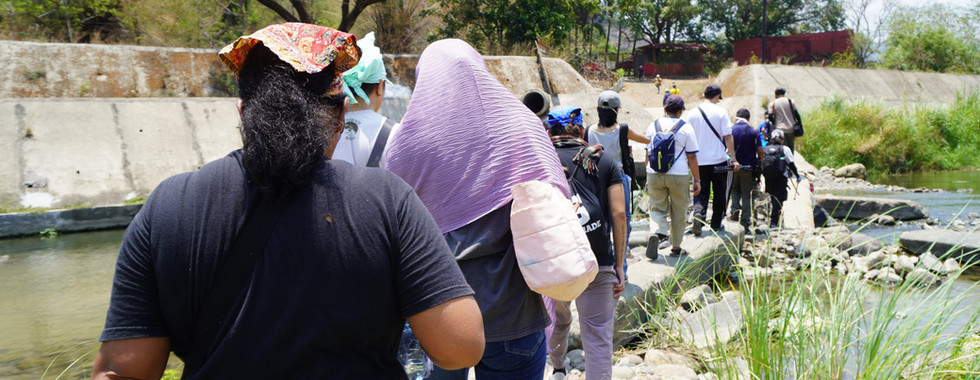







Initial findings from the Environmental Investigation Mission point to blatant violations of the Free, Prior, and Informed Consent (FPIC) process. According to community members, no genuine consent was secured from affected Ayta communities. Consultations were reportedly limited to select leaders and individuals in positions of authority, while the broader community was excluded from the decision-making process. Residents shared that the project was not properly explained to them, its potential impacts were not adequately disclosed, and it was primarily presented as a development initiative that would bring benefits.
The solar project encroaches upon the ancestral lands of the Ayta Amianan and Ayta Ambala communities. It also affects Mt. Balimpuyo, a vital component of Olongapo City's biodiversity, and the Sta. Rita River, which plays an essential role in the local ecosystem and serves as a reliable source of water for surrounding communities. Even during the implementation of Phase 1, the Olongapo Solar Power Project had already raised numerous concerns among affected residents, including its environmental and economic impacts, false promises, questions on the acquisition of permits, and violations of Indigenous Peoples' rights.


The mission also documented reports of coercion, deception, and pressure exerted on Ayta families to sell portions of their ancestral lands for the project. As a result, many Indigenous families were terminated and only allowed to work in the Olongapo Solar Power Project within one to two months only. Ayta farmers now have to traverse steep rocky mountain trails for three hours from originally one hour while carrying kilograms of sweet potatoes, bananas, and ginger to markets, where they are often forced to sell at low prices.
Beyond its social impacts, the installation of the solar facility has also been associated with significant environmental changes reported by local communities. Residents of Mampuweng, where the solar panels are situated close to the community and are highly visible across the landscape, observed that temperatures have become noticeably hotter and more difficult to endure. According to community members, the increased heat has adversely affected their farming activities, making it difficult to cultivate crops during the dry season and forcing them to wait for the rains before planting.
Several communities likewise reported that rivers have shrunk, natural springs that once provided drinking water have dried up, and agricultural lands have become increasingly dry. These initial findings raise serious questions about who truly benefits from the Olongapo Solar Power Project. While it is promoted as a development and renewable energy initiative, affected Indigenous communities continue to face inadequate access to electricity, poor road infrastructure, and limited access to healthcare, education, and livelihood opportunities.
Renewable energy is crucial in the transition away from fossil fuels and in addressing the climate crisis. However, this transition should not come at the expense of Indigenous Peoples' rights, ancestral lands, and environmental integrity. It cannot be considered “development” when it is built on environmental degradation, displacement, and the violation of community rights.
A more comprehensive report on the findings of the Environmental Investigation Mission will be released in the coming months.

Comments